Dongshankou
Heritage Red-Brick Mansions & Vibrant Cafe Culture
Overview
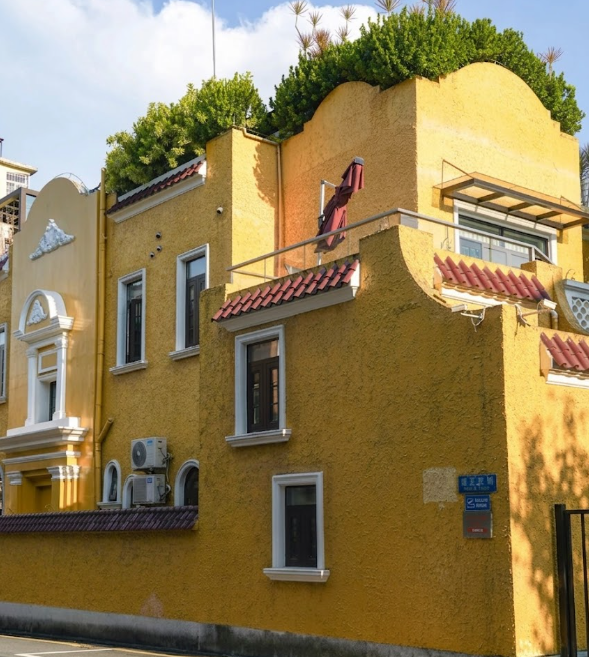
There's this old saying in Guangzhou: "Wealthy in Dongshan, Aristocratic in Xiguan." After spending a few days wandering Dongshankou, I totally get the first part. This neighborhood is absolutely charming, defined by these gorgeous 1920s red-brick mansions that were originally built by returning overseas Chinese. But here's what surprised me: it's not just a pretty historic district. Dongshankou has somehow become the city's trendiest youth and cultural hotspot, packed with indie cafes, underground art galleries, and vintage boutiques that would feel at home in Brooklyn or Berlin. The blend of classical architecture and contemporary culture is seamless, and honestly? I fell hard for this place.
What I love most is that Dongshankou hasn't been ruined by over-commercialization. Yeah, it's trendy now, but it still feels authentic. The red-brick buildings with their mix of Western and Chinese architectural details create this incredible backdrop for a genuinely thriving creative scene. I spent one afternoon just cafe-hopping and gallery-hopping, and every place felt like it had real personality, not some corporate-designed "vibe." The local flavor is still very much intact.
The whole area has this fascinating energy—tree-lined streets, hidden courtyards, elegant facades that feel nostalgic, but then you turn a corner and find a speakeasy or an experimental art space. It's like the neighborhood is having a conversation between its past and its future, and visitors get to listen in. History here isn't trapped behind glass; it's being lived and reinterpreted every single day.
Essential Info
- Hours: The neighborhood is open 24/7. Most boutique cafes and shops open around 10:30 and close by 22:00.
- Tickets: Fully free to explore.
- Transport: Take Metro Line 1 or Line 6 to "Dongshankou Station" (Exit E or F will put you right near the historic streets).
💡 Local Pro-Tip
Okay, here's the secret to Dongshankou: get intentionally lost. I'm serious. Don't just walk the main roads like a tourist on a schedule. Duck into the quiet, tree-shaded alleys like Xinhepu Road (新河浦路) and Miaoqian Xijie (庙前西街). Some of my best discoveries happened when I had no idea where I was. And here's the real insider tip—keep your eyes peeled for hidden entrances. The best speakeasy bars, art spaces, and boutique cafes often have zero street signage. I found one incredible cafe just because I noticed a slightly open courtyard door and decided to peek inside. Trust your curiosity. It pays off here.
Historical Background
Dongshankou's story starts in the early 20th century when overseas Chinese started returning from Southeast Asia, Europe, and North America. They came back with money, new ideas, and apparently, a whole lot of red bricks. These returning migrants built homes that blended Western architectural elements with traditional Chinese design, creating something completely unique to Guangzhou. Walking around, I kept noticing details—arched doorways next to ceramic tile decorations, Western columns beside traditional courtyards—and thinking about how these builders were literally merging two worlds.
The neighborhood quickly became a symbol of wealth and sophistication, which is where that "Wealthy in Dongshan" saying comes from. These mansions had modern amenities that were genuinely impressive for the time—indoor plumbing, electricity, spacious gardens—but they never abandoned traditional elements like courtyards and feng shui principles. I toured one building that had been restored, and the way they balanced East and West in the design was so clever. Even the garden layout followed feng shui while the facade looked like something from a European suburb.
After 1949, many of these beautiful homes were converted to public use or divided into smaller apartments. The revitalization didn't really kick off until the 2010s, when people started carefully restoring the historic buildings and introducing cultural and creative businesses. I'm so glad they did, because walking these streets today feels like discovering a secret that Guangzhou almost forgot.
Architectural Highlights
I'm not usually someone who gets excited about brick, but Dongshankou changed that. These mansions are genuine architectural masterpieces that somehow blend about five different influences into something cohesive and beautiful:
- Red Brick Facades: Those bricks were imported from Southeast Asia, and they give the entire neighborhood its distinctive warm, earthy character. In the late afternoon light, the whole street glows. I took way too many photos of just... walls. No regrets.
- Western Elements: Arched doorways, decorative columns, symmetrical layouts—you can see the European and American influences clearly. But somehow it doesn't feel out of place. It feels like Guangzhou.
- Chinese Details: Then you look closer and spot the traditional elements—upturned eaves, ceramic tile decorations, courtyard layouts that follow ancient principles. The blend is so seamless you almost don't notice it at first.
- Verandas and Arcades: Those covered walkways are practical genius. They provide shelter from Guangzhou's sudden rainstorms while connecting different parts of the buildings. Form and function, perfectly balanced.
Many of these buildings are now protected heritage sites, and the restoration work I've seen is meticulous. They're maintaining the original character while making the spaces work for modern businesses and residents. It's preservation done right—not frozen in time, but respectfully evolved.
Cafe Culture
If you're even slightly into coffee, Dongshankou is basically paradise. This neighborhood has become THE destination for specialty coffee in Guangzhou, and after spending a day hopping from cafe to cafe, I completely understand why. The atmosphere of the historic buildings makes every cup taste better somehow. Here's what you're in for:
- Indie Cafes: Small, independent shops with decor that ranges from minimalist to wildly eclectic. I found one place that looked like a 1920s library and another that felt like a greenhouse. Every spot has real personality.
- Heritage Spaces: Some cafes are literally inside restored historic mansions. Sitting in a courtyard that was built a century ago, sipping a perfectly brewed pour-over, is an experience I didn't know I needed until I had it.
- Artisan Coffee: These people are serious about their beans. Single-origin offerings, specialty brewing methods, baristas who can tell you the farm where your coffee was grown. I learned more about coffee in one afternoon here than in years of casual drinking.
- Outdoor Seating: Sidewalk cafes and garden patios are everywhere, and they're perfect for people-watching. I spent two hours at one outdoor table just watching the neighborhood flow by. Best afternoon of my trip.
But here's what makes the cafe culture here special: these places are genuine social hubs. Young professionals working on laptops, artists sketching in notebooks, students debating philosophy—it's like the whole creative class of Guangzhou converges here. Many cafes host live music, art exhibitions, or cultural events on weekends. I stumbled into a tiny acoustic set at one place and stayed for the whole thing. The energy is infectious.
Hidden Gems and Speakeasies
Okay, this is where Dongshankou gets really fun. The neighborhood has this incredible collection of hidden bars and speakeasies that feel like they belong in a movie. I'm talking about places concealed behind unassuming facades, down basement stairs, or through what looks like a private residence door. The thrill of discovery is half the experience.
- Secret Entrances: Some places have subtle indicators, others require passwords, and a few have no signage at all. I walked past one speakeasy three times before a local friend pointed out the barely-marked door. When I finally found it, I felt like I'd unlocked a secret level.
- Themed Bars: Each speakeasy has its own distinct personality. I visited one that felt like a 1920s Shanghai jazz club and another that was basically an art gallery that happens to serve incredible cocktails. No two are alike.
- Craft Cocktails: The mixologists here are legitimately creative, using local ingredients in ways I never would have imagined. I had a cocktail with osmanthus flowers that was so good I ordered a second before I'd finished the first.
- Live Music: Many feature jazz, acoustic sets, or DJ performances. I caught a jazz trio at one basement bar and the intimacy of the space made it feel like a private concert.
Finding these places is genuinely part of the adventure. I got recommendations from a cafe barista, a shop owner, and a random person I met at a gallery opening. Locals love sharing their secret spots, and there's something incredibly satisfying about walking through an unmarked door into a world you had no idea existed.
Best Times to Visit
Weekday Afternoons (14:00-17:00): This is my favorite time to explore. It's quiet, peaceful, and you can actually take your time discovering things without fighting through crowds. I found some of my best hidden spots during weekday afternoons when I had the streets mostly to myself.
Evenings (19:00-22:00): Once the sun goes down, Dongshankou transforms. The lights come on, music drifts out of bars and cafes, and the whole neighborhood feels electric. Perfect for bar-hopping, late dinners, or just wandering with no particular destination.
Weekends: More people, more energy, more markets and street performances. I visited on a Saturday and found a pop-up art market I never would have discovered on a weekday. The trade-off is crowds, but honestly? The atmosphere is worth it.
Seasonal Events: Keep an eye out for art walks, music festivals, and cultural celebrations. I missed one by a week and the FOMO was real. Check local listings or ask at cafes when you're there.
Shopping and Boutiques
Dongshankou's shopping scene is all about discovery. You won't find mainstream chains here, and that's exactly the point:
- Vintage Clothing: Curated retro and second-hand fashion that feels genuinely special. I found a silk scarf from the 1980s that I wear constantly. The hunt is half the fun.
- Design Stores: Local designers creating unique products and homewares. I bought a ceramic mug from a young artist's studio that I use every morning. It reminds me of Dongshankou with every sip.
- Bookshops: Independent stores with carefully chosen selections and cozy reading corners. I spent an hour in one just flipping through art books I'd never find back home.
- Handmade Crafts: Artisans selling jewelry, textiles, and artwork that actually feels original. I picked up a hand-woven bracelet as a gift and the recipient still asks about it.
The shopping here isn't about convenience—it's about the thrill of finding something you didn't know you were looking for. Many boutiques are tiny and tucked away, which means you have to work for your discoveries. But when you find that perfect thing? It's so much more satisfying than grabbing something off a department store shelf.
Practical Tips
- Comfortable Shoes: You'll be walking on various surfaces and exploring narrow alleys. I wore my most comfortable sneakers and was still grateful for them by the end of the day.
- Mobile Payments & Cash: Guangzhou is basically a cashless city now. Almost everyone prefers WeChat Pay or Alipay, even street vendors. If you do carry cash as backup, bring small denominations—10 or 20 RMB notes. I made the mistake of having only 100s once and a small vendor couldn't break it. Lesson learned.
- Camera: You'll want it constantly. The architecture, the street scenes, the hidden courtyards—everything here is photogenic. I drained two batteries in one afternoon.
- Patience: The best spots in Dongshankou don't announce themselves. They require exploration, wrong turns, and curiosity. Embrace the process. Some of my favorite moments came from getting slightly lost.
- Respect: Real people live in these beautiful buildings. I kept my voice down in residential areas and was careful about where I pointed my camera. A little respect goes a long way in maintaining this neighborhood's special character.
Nearby Attractions
Dongshankou's central location means you're never far from other great spots:
- Yuexiu Park: The large central park with the Five Rams Sculpture and ancient city wall. I did this as a morning activity before heading to Dongshankou for the afternoon. Perfect combo.
- Chen Clan Ancestral Hall: A traditional architecture museum that's nearby and absolutely stunning. The carvings there are on another level.
- Beijing Road: The historic shopping district is only about 2km away. I walked there one evening and it made for a great contrast—Dongshankou's chill creativity followed by Beijing Road's bustling energy.
- Sun Yat-sen University: The historic campus has beautiful architecture and lovely grounds. Worth a visit if you have extra time.