Exploring Guangzhou's Culinary Delights
Okay, let me tell you—Guangzhou completely ruined me for Cantonese food anywhere else. I came here thinking I knew what dim sum was, and I left a changed person. This city doesn't just feed you; it wraps you up in centuries of edible tradition and refuses to let go. From those chaotic, steam-filled tea houses at 7 AM to the tiny street stalls you only find because a local auntie points you there, every meal here feels like a discovery. I'm going to walk you through the dishes that made me audibly gasp, the ones I still dream about, and the spots I now selfishly wish I could keep secret.
Top Guangzhou Food Experiences
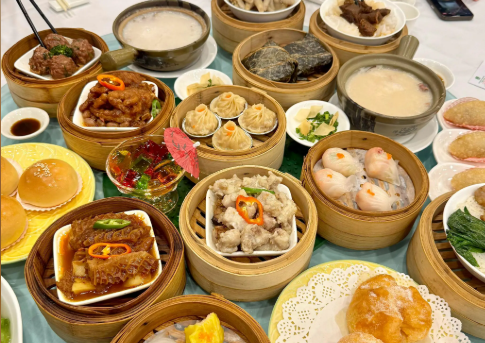
Morning Tea (早茶)
The first time I walked into a tea house at 7 AM, the steam, the clatter of carts, the smell of jasmine—I was hooked. This is yum cha, and it's everything.
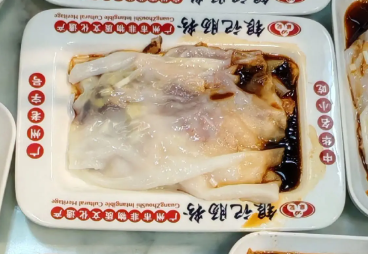
Rice Noodle Rolls (肠粉)
These silky, gossamer-thin sheets of rice goodness are what I crave at 2 AM. Shrimp, beef, or even sweet red bean—don't knock it till you've tried it.
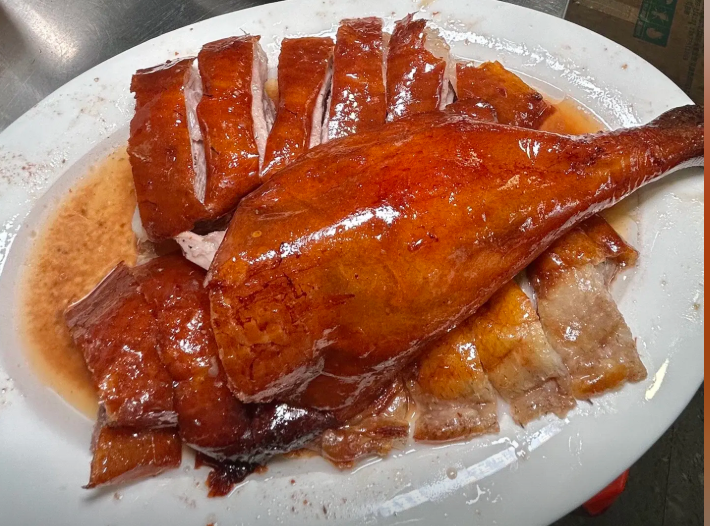
Roast Goose (烧鹅)
I bit into the skin and it actually crackled. Like, audibly crackled. The meat underneath was so juicy I may have teared up a little. This is the real deal.
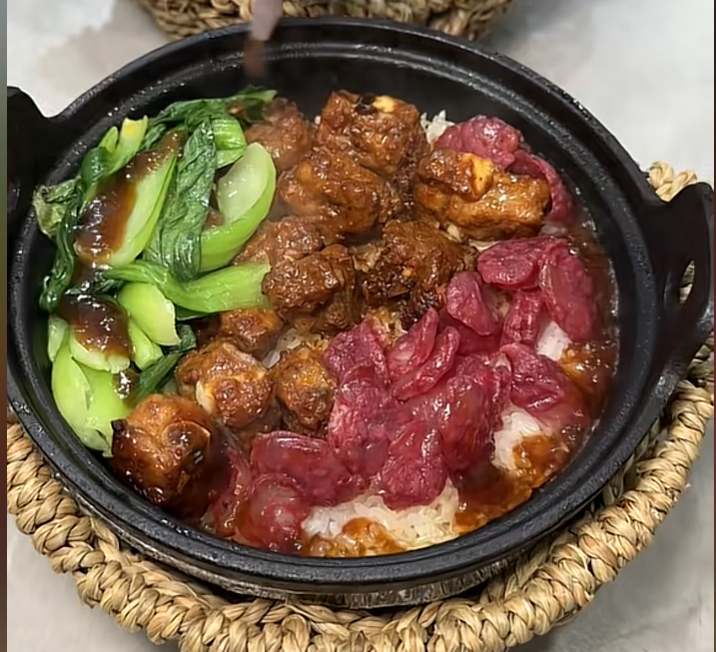
Claypot Rice (煲仔饭)
That crispy layer of rice at the bottom? I fight people for it. The lap cheong, the mushrooms, the way the whole pot smells like home—pure comfort in clay.
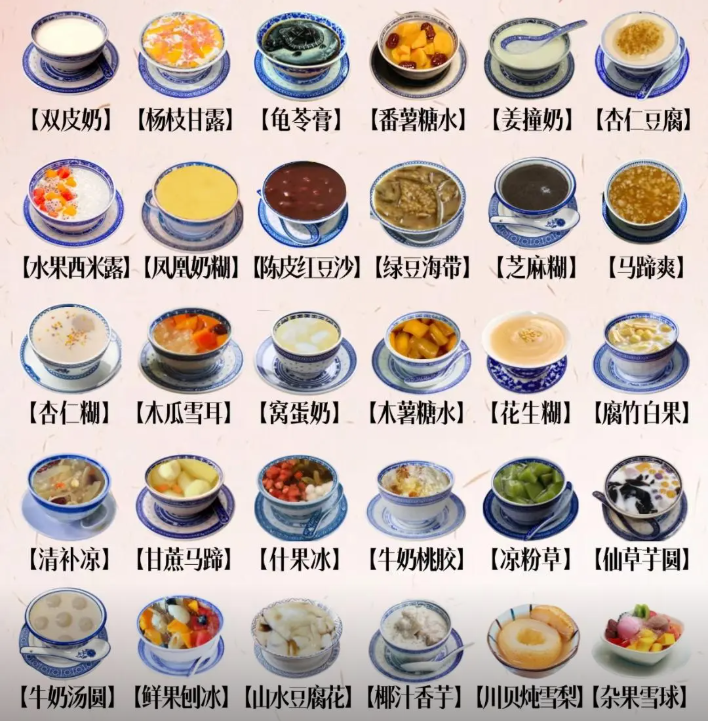
Cantonese Desserts (糖水)
After a day of eating everything in sight, I still make room for tong sui. The mango pomelo sago is basically liquid sunshine, and the black sesame soup? Liquid hug.
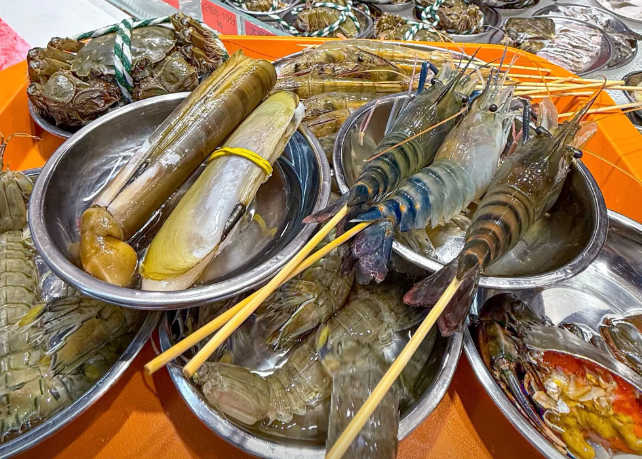
Fresh Seafood (海鲜)
Walking past the live tanks and pointing at your dinner feels slightly intense, but one bite of steamed grouper and you forget everything. Freshest catch you'll ever taste.
Morning Tea (早茶): Guangzhou's Beloved Ritual
Yum cha isn't just breakfast here—it's a way of life. The first time I stumbled into a tea house at 7 AM, I was completely overwhelmed. The clatter of carts, the hiss of steam, the smell of jasmine tea hitting you the second you walk in. Elderly uncles reading newspapers, families arguing over the last basket of char siu bao, waitresses marking little cards with lightning speed. I sat there with my tea pot, watching the carts roll by, and honestly? I felt like I'd been let in on a secret that tourists usually miss. This is where Guangzhou's heart beats.
The Dim Sum Experience
Here's the thing about dim sum—you need to go hungry. Like, really hungry. The carts come by and everything looks incredible. My personal obsession? Har gow. The wrapper is so thin you can almost see through it, and when you bite in, the shrimp just pops. Siu mai is another must—it's meaty, savory, and I always order at least two baskets. And char siu bao... oh man. That fluffy white bun giving way to sweet, sticky barbecue pork? I still dream about it. Pro tip: bring friends. The more people, the more baskets you can justify ordering. I've made the mistake of going alone and wanting to cry because I couldn't try everything.
Practical Information:
- Best Locations: Taotaoju Restaurant, Panxi Restaurant, Luk Yu Tea House
- Opening Hours: 6:00 AM - 2:00 PM (some open all day)
- Price Range: ¥3-¥15 per basket, ¥50-¥150 per person
- Best Time to Visit: 7:00-9:00 AM for authentic experience, weekends for lively atmosphere
- Pro Tip: Go with a group to share and try more varieties. Going alone is a special kind of torture when you see all those carts roll by.
Rice Noodle Rolls (肠粉): Silky Cantonese Comfort
Changfen is the kind of food that sneaks up on you. The first time I had it, I thought, "It's just rice noodles, how special can it be?" I was so wrong. There's something almost magical about the way the rice flour batter spreads across the cloth, steams into this gossamer-thin sheet, and gets scraped into a roll right in front of you. The texture is unreal—silky, slippery, almost melting on your tongue. I found my favorite stall on Shangxiajiu purely by accident. The auntie running it has been making them for thirty years, and you can taste that experience in every roll.
Varieties and Preparations
Okay, so here's what you need to know. The shrimp version is classic for a reason—those little pops of seafood against the soft rice sheet? Perfection. But honestly? The beef one with a drizzle of sesame oil and soy sauce is what I keep going back for. And I'm going to say something controversial: try the sweet red bean version. I know it sounds weird, but it's like a warm, comforting rice pudding wrap. Don't @ me. The savory soy sauce they pour over the top is everything—it seeps into the folds and makes each bite better than the last. Honest warning: once you start eating these, stopping is physically difficult. I've eaten three plates in one sitting and only stopped because I was embarrassed to order a fourth.
Practical Information:
- Best Locations: Street food stalls in Shangxiajiu Pedestrian Street, dim sum restaurants
- Opening Hours: 7:00 AM - 10:00 PM
- Price Range: ¥8-¥20 per plate
- Best Time to Visit: Any time as breakfast, snack, or light meal
- Pro Tip: Try both savory and sweet varieties. I know sweet rice noodles sound weird, but trust me on this one. Also, eat them hot—the texture changes completely once they cool.
Roast Goose (烧鹅): Guangzhou's Crispy-Skinned Treasure
I need you to understand something: I cried over roast goose. Not full-on sobbing, but there was definitely moisture in my eyes. I took that first bite at Yat Lok, and the skin made this actual crackling sound. Like, an audible crunch that made the table next to me look over. The meat underneath was so juicy it dripped down my chin, and I didn't even care. This isn't just food; it's a masterclass in what happens when someone spends decades perfecting one thing. The glaze is sticky-sweet, the fat has rendered into this unctuous layer, and the spices—five-spice, ginger, something else I can't identify—just permeate every fiber of the meat.
The Art of Roast Goose
So here's what actually happens, because I asked the guy at Yue Hwa after my third visit. They air-dry these geese for days. Days. The skin gets tightened and almost leathery, then they paint on this maltose syrup that caramelizes into a lacquer in the oven. The result is skin that shatters like glass when you bite it, but somehow the meat stays incredibly moist. It's honestly witchcraft. The plum sauce on the side isn't just a condiment—it's essential. That sweet-tart cut through the richness is what keeps you going back for "just one more piece" until suddenly half the goose is gone and you're calculating if you can afford a whole one to take home. (You can't. I tried. It doesn't travel well. Eat it there.)
Practical Information:
- Best Locations: Yat Lok Restaurant (Michelin-starred), Yue Hwa Roast Meats, Wang Jing Restaurant
- Opening Hours: 11:00 AM - 9:00 PM
- Price Range: ¥80-¥150 for half goose, ¥150-¥280 for whole
- Best Time to Visit: Lunch or dinner, arrive early to avoid selling out
- Pro Tip: Eat it immediately. I mean the second it hits the table. That skin waits for no one. And don't skip the plum sauce—it's not optional, it's survival.
Claypot Rice (煲仔饭): Aromatic One-Pot Wonder
Claypot rice is the food equivalent of a warm hug from your grandmother. I discovered it on a drizzly November evening in Liwan District, ducking into this tiny shop because I saw steam pouring out the door. The smell hit me first—lap cheong, soy sauce, and something earthy from the clay itself. When the pot arrived, still sizzling and crackling, I genuinely didn't know what to do with myself. That first spoonful of rice, studded with sweet Chinese sausage and tender chicken, made me close my eyes and just... sit there. And then I got to the bottom. Oh, the bottom. That crispy, caramelized layer of rice crust? I would fight a small army for it. I'm not even joking.
Flavor Development and Techniques
Here's what makes this magical: the clay pot itself. It's not just a serving dish—it's the cooking vessel, and those porous clay walls do something to the rice that metal just can't. The heat wraps around everything evenly, and as the water evaporates, the rice at the bottom starts to crisp up into this golden, crunchy paradise. The lap cheong drips its sweet, fatty oils down into the rice while it cooks. Sometimes they crack a raw egg on top right at the end, and the residual heat cooks it into this creamy sauce that binds everything together. Pro tip from someone who learned the hard way: let it sit for like two minutes when it arrives. I burned my tongue so badly on my first claypot rice that I couldn't taste anything for a day. Worth it, but still.
Practical Information:
- Best Locations: Hap Chan Restaurant, Claypot Rice Specialty Shops in Liwan District
- Opening Hours: 11:00 AM - 10:00 PM
- Price Range: ¥25-¥45 per pot
- Best Time to Visit: Lunch or dinner, especially comforting in cooler weather
- Pro Tip: Mix the crispy bottom layer with the soft rice on top for the perfect bite. And wait two minutes before digging in—claypot rice is lava-hot and will absolutely destroy your tongue. I learned this so you don't have to.
Cantonese Desserts (糖水): Sweet Soups and Delights
Tong sui is where I go when I need to emotionally recover from eating too much roast goose. Which happens a lot. These aren't really "desserts" in the Western sense—they're sweet soups, warm or cold, that somehow manage to be comforting and refreshing at the same time. The first time I had mango pomelo sago at Hui Lau Shan, I literally said "oh my god" out loud. It's this bright, golden bowl of mango puree with little bursts of pomelo and chewy sago pearls, and it's basically summer in a bowl. But then I tried the hot black sesame soup on a cold night, and it was like being wrapped in a blanket. A sweet, nutty, deeply aromatic blanket. I'm not crying, you're crying.
Popular Varieties and Ingredients
Okay, let me break down what you actually need to try. Mango pomelo sago is non-negotiable—if you skip this, we can't be friends. The black sesame soup looks like liquid tar and tastes like the most sophisticated peanut butter you've ever had. Red bean soup is classic comfort food, slightly sweet with whole soft beans. But here's my secret favorite: the walnut soup. It's warm, creamy, and has this depth of flavor that makes you wonder why we don't eat walnut soup for breakfast every day. And honestly? Don't sleep on the grass jelly dessert. I know "grass jelly" sounds like something you'd feed a rabbit, but with a little syrup and evaporated milk, it's weirdly addictive. Many of these have ingredients like goji berries and red dates that are supposedly good for you, which is how I justify eating dessert twice a day.
Practical Information:
- Best Locations: Dessert shops in Beijing Road, Hui Lau Shan (famous for mango desserts), street carts
- Opening Hours: 2:00 PM - 10:00 PM (many open late)
- Price Range: ¥10-¥25 per bowl
- Best Time to Visit: Afternoon snack or after dinner dessert
- Pro Tip: Get hot tong sui when it's cool out and cold when it's hot. Sounds obvious, but the contrast matters. Also, mango pomelo sago is best in summer when the mangoes are actually ripe—I've had a sad winter version and it broke my heart a little.
Fresh Seafood (海鲜): From Live Markets to Table
Full disclosure: walking into a seafood restaurant and pointing at a live fish in a tank felt really weird the first time. I stood there like, "I'm supposed to choose my victim?" But then I took my first bite of steamed grouper that had been swimming literally ten minutes earlier, and I understood. Guangzhou's seafood game is on another level because of its location—the Pearl River Delta basically delivers the ocean to their doorstep. The fish is sweet, the shrimp are snappy, and the crabs are so full of roe they look like they're about to burst. At Qingping Market, I watched a guy pull a massive mantis shrimp out of a tank, and twenty minutes later it was on my plate. That's freshness you can't fake.
Market Experience and Preparation Styles
Here's what you need to know about preparation: steam everything. I know, I know, it sounds boring. But when seafood is this fresh, anything more than ginger, scallions, and a light soy sauce is just covering up perfection. I had steamed grouper that made me genuinely emotional—the flesh was so delicate it practically dissolved on my tongue, and the natural sweetness was insane. Salt-baked crab is another level entirely; they pack it in coarse salt and bake it until the shell is almost impossible to crack, but inside is this concentrated, briny meat that tastes like the ocean distilled into one bite. If you're feeling fancy, abalone and sea cucumber are the luxury options, but honestly? A simple steamed fish here will ruin all other fish for you. Honest warning: seafood dinners can get expensive fast if you start pointing at lobsters like you're a billionaire. Set a budget before you walk in, or you'll end up spending ¥500 and wondering where your money went. (Worth it, but still.)
Practical Information:
- Best Locations: Qingping Market (historic medicine market with seafood section), seafood restaurants in Shamian Island, Lijiang Seafood Restaurant
- Opening Hours: 10:00 AM - 10:00 PM (markets open earlier)
- Price Range: ¥80-¥300+ per person depending on selection
- Best Time to Visit: Dinner for freshest selection, weekends for lively market atmosphere
- Pro Tip: Ask for steaming preparation to taste the seafood's natural sweetness. And set a budget before you start pointing at tanks—those lobsters are tempting and your wallet will hate you tomorrow.